Hard Goods Inspection —For Retailers, Importers & Brands
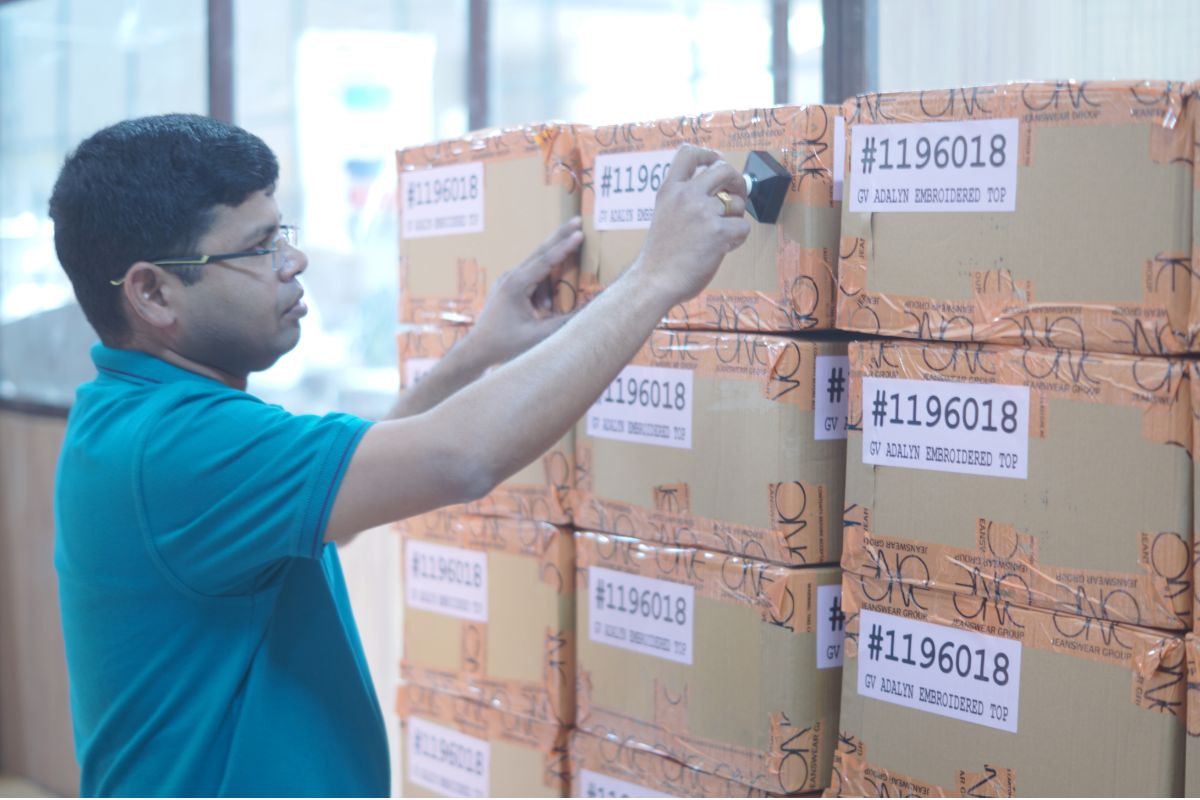
QTI provides independent hard goods inspection services in India & South Asia for Furniture, Kitchenware, Ceramics, Toys, and Decorative Products. Our Experts verify workmanship, performance, labeling, and packaging to ensure every shipment meets buyer expectations and international standards.
Each inspection covers both functional and visual aspects — from product construction and finishing to packaging compliance. Our inspectors perform AQL-based sampling under ISO 2859-1 standards, ensuring reliable and repeatable results for your product categories.
We operate across major Indian manufacturing zones, including Moradabad, Jaipur, Delhi NCR, Mumbai, and Chennai.
We offer hard goods inspection India services following international AQL and safety standards to help overseas buyers verify product quality and compliance before shipment. Our inspectors cover categories like furniture, toys, kitchenware, and decorative accessories.
Looking for other inspection categories? Explore our Garment Inspection India and Textile & Home Textile Inspection India pages for complete quality solutions.
Product Categories We Inspect
From durable furniture to delicate ceramics, QTI ensures every product meets your quality standards.
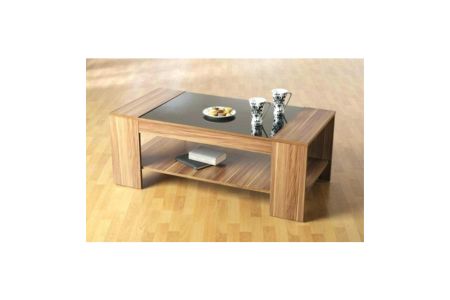
Furniture (Wood, Metal & Plastic)
Strength, stability, and finish checks with assembly and load testing for furniture and fixtures.
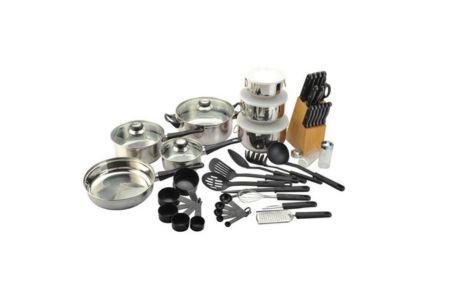
Kitchenware & Ceramics
Glazing, coating, handle attachment, leakage, and packaging compliance for kitchen and ceramic items.
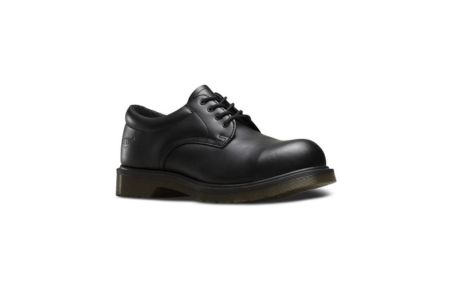
Toys, Footwear & Sports Equipment
Safety and functionality tests — ensuring compliance with international toy and consumer safety standards.

Decorative & Giftware Items
Visual and finish inspection for paint, balance, polish, and durability — ensuring retail-ready presentation.
Inspection Types
We inspect at every stage to reduce risk and ensure production quality.
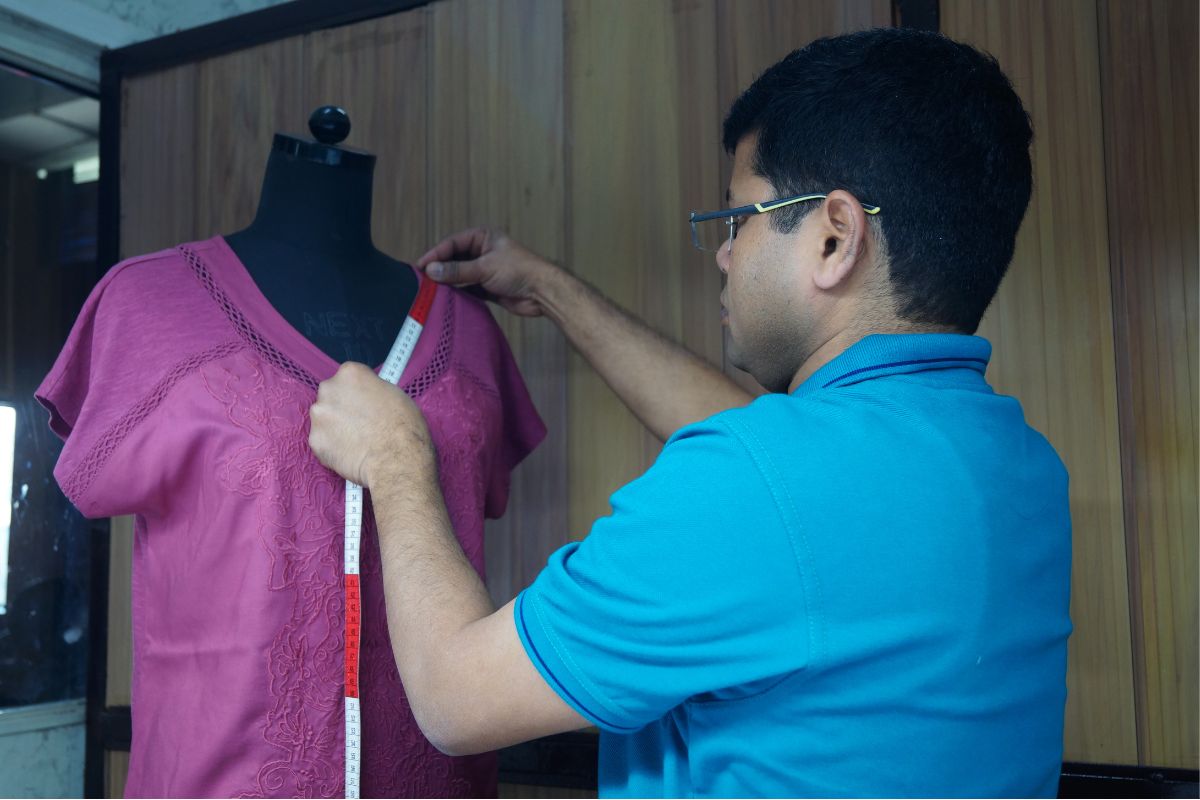
Initial/Pre-Production Inspection (PPI)
At 3–5% production, QTI verifies approved samples, trims, and measurements to spot issues before bulk manufacturing.
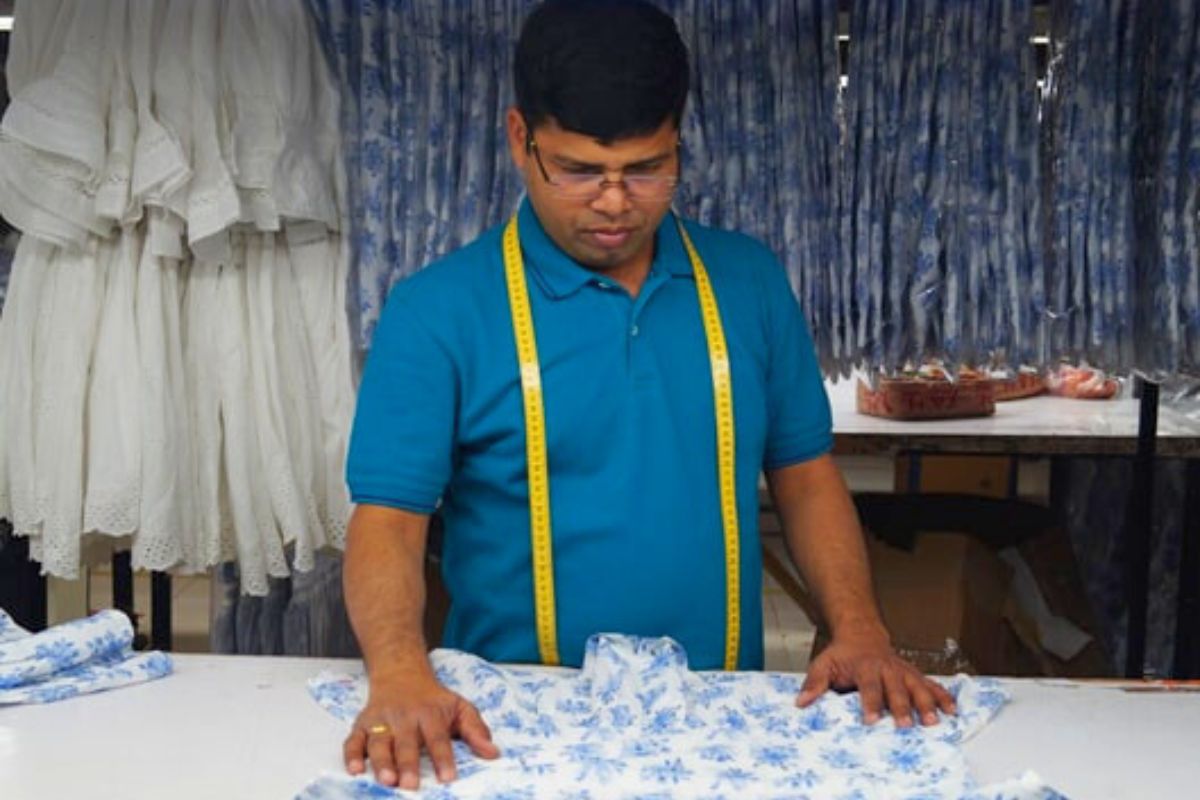
MID / During Production Inspection (DPI)
Performed at 20–60% production, this inspection detects issues early and allows timely corrective action. QTI uses AQL-based sampling to assess quality and workmanship.
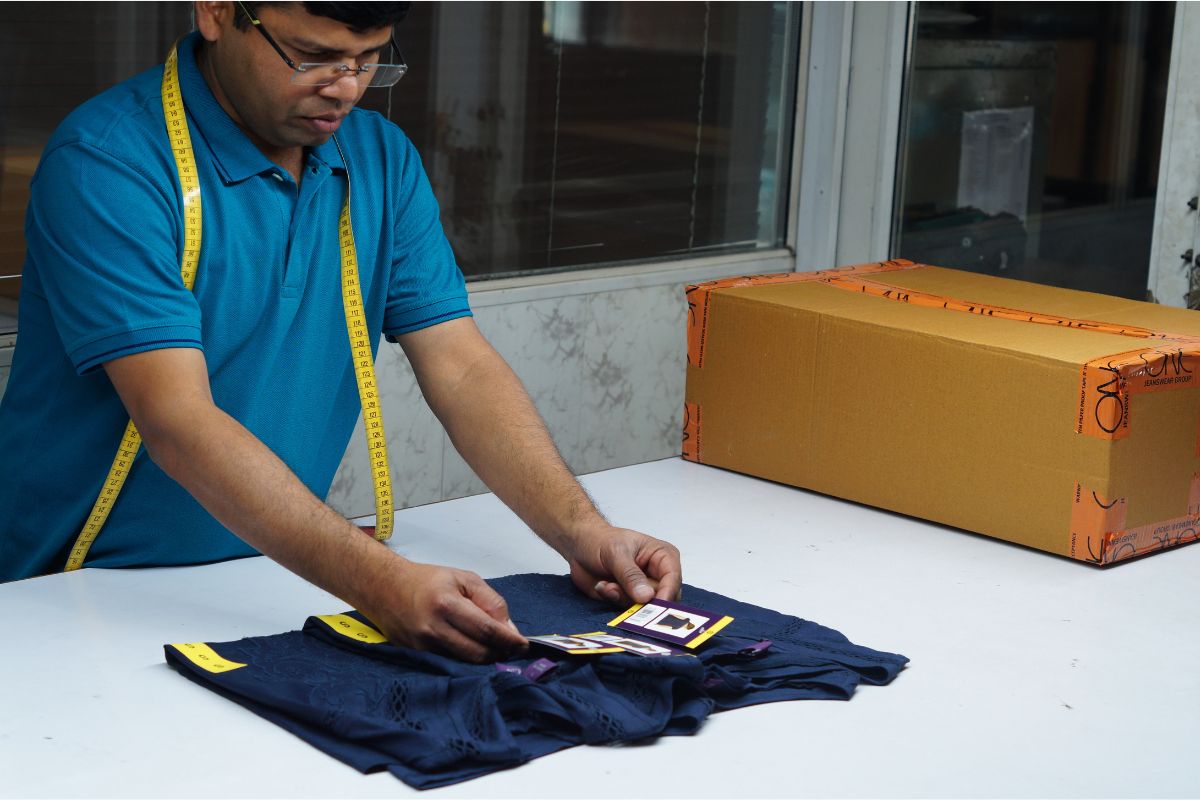
Final / Pre-Shipment Inspection (PSI)
Conducted when 100% of goods are produced and at least 80% packed, QTI inspectors perform AQL-based sampling to verify product quality, labeling, and packaging before shipment
Inspection Process — How We Work
Clear, repeatable steps that give you fast answers and documented evidence.

1. Booking & Planning
Clients share the purchase order, checklist, and AQL level. We assign an experienced inspector and confirm the visit schedule.

2. Random Sampling
Samples are selected strictly according to AQL standards to represent overall production quality.

3. Inspection & Testing
Each selected item is checked for fabric, workmanship, measurements, labeling, and packaging consistency.

4. Reporting
Findings are documented with photographic evidence and detailed defect classification. The final inspection report is shared within 24–48 hours of the visit.
Defect Types — Critical, Major & Minor
Classifying defects helps consistent acceptance and corrective action planning.

Critical Defects
Serious issues affecting safety or compliance — such as metal contamination, broken needles, missing safety labels etc.

Major Defects
Significant issues that affect the product’s function or appearance — including open seams, incorrect measurements, or wrong fabric or trims etc.

Minor Defects
Minor imperfections that do not affect usability — such as small stains, loose threads, or slight shade variations etc.
AQL & Sampling
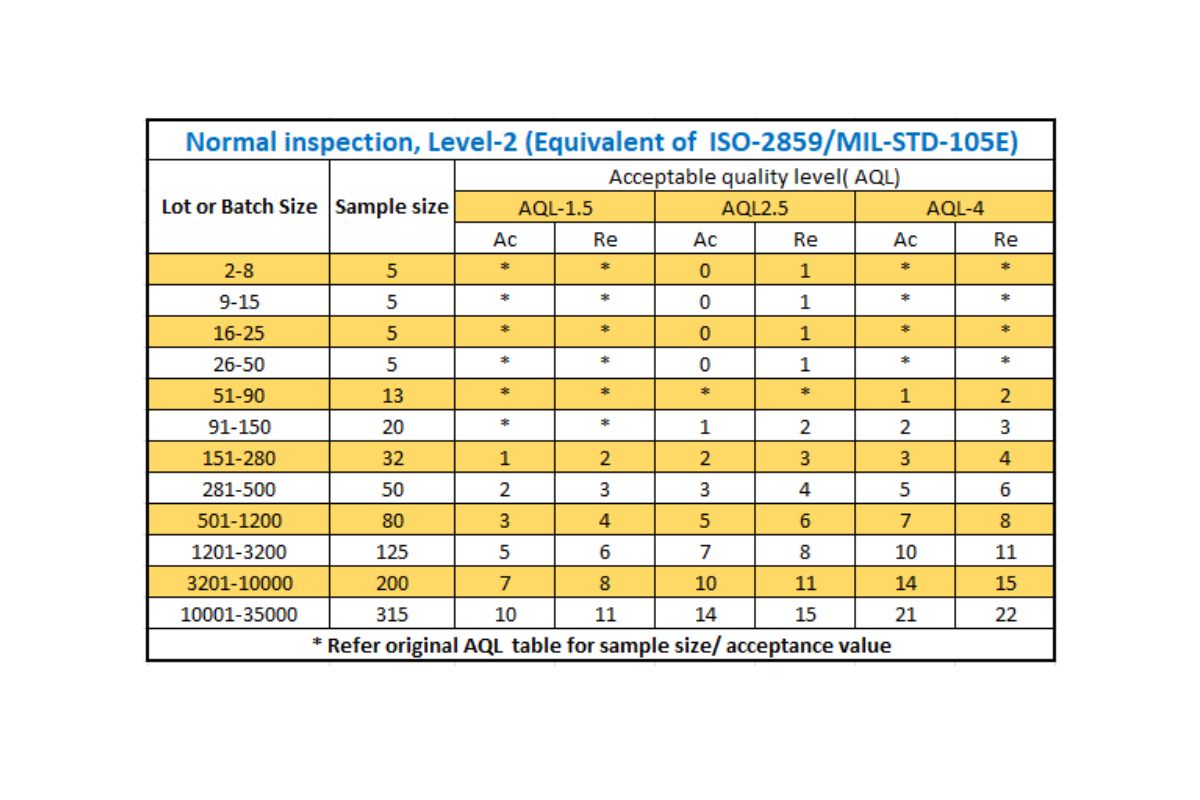
QTI inspections are conducted in accordance with ISO 2859-1 / ANSI Z1.4 AQL standards, ensuring statistical reliability and consistency in every inspection. Buyer-specific acceptance levels can also be applied upon request.
What is AQL?
AQL (Acceptable Quality Level) represents the maximum number of defects considered acceptable within a defined sample size. It provides a standardized method to evaluate product quality before shipment.
Common AQL levels used in Hard Goods inspections:
- Critical Defects: AQL 0.0 — No tolerance for safety or compliance-related issues.
- Major Defects: AQL 2.5 — Defects affecting usability or appearance.
- Minor Defects: AQL 4.0 — Cosmetic imperfections with minimal impact on usability.
How sampling works:
The sample size is determined by the total lot quantity, following AQL tables. Each lot is inspected randomly to reflect overall production quality. Results are compared to the AQL acceptance criteria to determine a pass or fail outcome.
Learn more about our complete range of Product Inspection Services in India covering garments, textiles, and hard goods.
Why Choose QTI for Hard Goods Inspection in India
Local inspectors with global retail experience.
Photographs, defect grading, and key inspection findings
Clear man-day pricing and optimized sampling plans.
Reports delivered within 24–48 hours after inspection.
Coverage Across India & South Asia
We operate across major manufacturing hubs:
As a leading third-party hard goods inspection company in India, QTI ensures product reliability, durability testing, and packaging integrity for global retailers and importers.
Partner with QTI for Your Hard Goods Inspection Needs
Ensure the quality your customers deserve with reliable garment inspections across India.
Still have questions about hard goods inspection India or furniture inspection India? Here are some of the most common queries our overseas buyers and importers ask before booking their inspection.
Frequently Asked Questions
- Cost-effective services in India
- Fast turnaround with detailed photo reports
- Experienced inspectors across major hubs
- Product details & quantity
- Factory location
- Inspection type (pre-shipment, during production, audit, etc.)
- Required date
We’ll reply with a tailored quote within one business day.